Key Takeaways:
- Advancements in materials and technology are enhancing roof durability and energy efficiency.
- Integrated smart technologies are revolutionizing roof monitoring and maintenance.
- Sustainability and environmental considerations are driving the adoption of green roofing solutions.
The commercial roofing sector is rapidly evolving in response to technological breakthroughs, greater sustainability demands, and stricter regulatory standards. For building owners and facility managers, being aware of the latest innovations is essential for making decisions that improve the health and longevity of their properties. As professionals navigate these changes, choosing the right partners, such as a reputable commercial roof repair company st louis mo can make all the difference in maximizing return on investment and ensuring robust building performance.
Over the past decade, an increase in unpredictable weather, growing energy costs, and environmental concerns has shaped the direction of roofing technology. The modern commercial roofing market is marked by a push towards stronger materials, intelligent monitoring systems, and sustainable solutions that meet both business and environmental goals.
Advancements in Roofing Materials
Engineers and manufacturers are pioneering new roofing materials designed to withstand tougher conditions and comply with more stringent standards. These include weather-resistant membranes, high-performance insulation, and coatings that can reflect sunlight and resist physical damage. The need for materials that can handle violent storms, high winds, and severe hail is pressing, leading to an emphasis on systems rated for the most challenging environments, such as Factory Mutual’s “Very Severe Hail” (VSH) and Miami-Dade’s wind uplift requirements. Insurance companies are also raising their expectations for commercial roofs, demanding thicker membranes, improved adhesives, and better installation practices. The byproduct is a shift from traditional roofing choices, like built-up roofs, to more innovative and durable solutions such as thermoplastic polyolefin (TPO), polyvinyl chloride (PVC), and modified bitumen systems. These materials not only stand up to the elements but also help extend roof life cycles and reduce maintenance.
Some of the most promising innovations in commercial roofing materials come from the integration of nanotechnology and advanced polymers. Nanocoatings can now be engineered to provide superior resistance to ultraviolet (UV) degradation, algae growth, and even reduce the buildup of pollutants. These enhancements allow roofs to maintain their aesthetic and functional qualities for a longer lifespan. Additionally, the incorporation of lightweight composite materials is advancing both installation efficiency and structural performance, allowing for quicker construction schedules and stronger finished products. This is particularly beneficial for retrofitting older buildings with weaker structural frameworks that cannot support the weight of traditional roofing systems. Furthermore, eco-friendly insulation materials such as spray polyurethane foam (SPF) and rigid foam panels are contributing to better indoor climate control, resulting in reduced energy consumption and operating costs year-round.
Integration of Smart Technologies
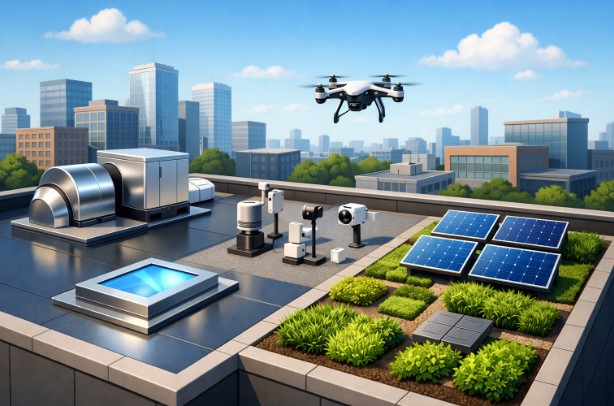
Technology is transforming how commercial roofs are monitored and maintained. Drones are now widely used for inspections and surveys. They provide high-definition imagery and can identify potential weak spots without the need for hazardous manual inspections. Building owners benefit from safer, faster, and more precise assessments, which can lead to early detection of issues before they escalate into major repairs. This is especially valuable for large or complex roofing assets, where access can be difficult or costly.
Alongside drones, sensor technologies are being embedded within roofing systems. These sensors can track moisture levels, temperature changes, and even structural movement over time. When issues are detected, alerts are sent directly to property managers, allowing them to act swiftly and minimize disruption. With the rise of smart building platforms, roof data can be seamlessly integrated into facility-wide management systems, driving more informed decisions about maintenance and capital planning.
Artificial intelligence (AI) is further enhancing smart roofing systems through predictive maintenance models, which analyze historical and real-time data to forecast when repairs will be needed. By leveraging cloud-based dashboards, facility managers can visualize the health of their roofs across multiple properties, receive customized maintenance recommendations, and even automate service requests when certain thresholds are crossed. Thermal cameras are another emerging tool, allowing users to monitor heat loss, moisture intrusion, or poorly insulated sections, further informing energy-saving retrofits and proactive interventions. As the industry adopts these digital tools, the time and labor costs involved with roof management continue to shrink while accuracy and asset protection improve.
Emphasis on Sustainability
Environmental responsibility is moving to the forefront in the commercial roofing industry. Options like green roofs, which use living vegetation to absorb rainwater and provide natural insulation, are increasingly sought after by businesses committed to corporate social responsibility or leadership in energy-efficient design. Cool roofs, using reflective membranes or coatings, also help reduce urban heat islands and lower air conditioning bills, making them popular in cities and warmer climates.
In addition, contractors and manufacturers are recycling more roofing materials, diverting waste from landfills, and reducing the carbon footprint of each new installation. While sustainable roofing systems often carry a higher upfront cost, they typically deliver substantial long-term savings via reduced energy usage, fewer repairs, and sometimes eligibility for local incentives or tax credits. These investments support greener buildings and demonstrate a commitment to sustainability, which is increasingly valued by tenants and investors alike. For further information about modern roofing advancements, refer to Architect Magazine.
Additionally, the shift towards bio-based roofing materials, such as those derived from recycled rubber or plant-based resources, represents a significant step toward reducing dependency on petroleum and other nonrenewable materials. These innovations are complemented by the use of solar roofing systems, which not only produce renewable energy for the building but also contribute to lower utility expenses and an improved environmental footprint. More cities are incentivizing or even mandating green or solar roofs on new commercial buildings, further accelerating the adoption of these forward-thinking solutions. Lastly, life-cycle analyses have become an integral part of the roofing decision process, factoring in production emissions, end-of-life recyclability, and the potential to repurpose materials in future projects. This holistic view ensures that today’s investments yield tomorrow’s environmental benefits.
Conclusion
As the landscape of commercial roofing continues to shift, those who keep pace with new materials, smart technology, and sustainable practices will find themselves better equipped to protect their properties and budgets. From next-generation weather resilience to intelligent monitoring and eco-conscious roofing options, property owners and facility managers now have access to solutions that promote building performance, longevity, and responsible stewardship. Embracing these innovations positions businesses for success in an environment where durability, efficiency, and sustainability are equally important drivers of value.