Key Takeaways
- Start early when travel overlaps with holidays, popular events, or peak seasons.
- Choose transportation based on passenger count, route, luggage, comfort, and accessibility needs.
- Build safety, communication, and backup procedures into the plan from the beginning.
- Give every traveler one clear source for pickup details, schedules, rules, and updates.
- Allow extra time for boarding, traffic, weather, breaks, and unexpected changes.
- Review the trip afterward to make the next group journey easier to manage.
Group travel can be rewarding, whether it involves a school outing, company event, family reunion, sports team, community program, or health-focused visit. It also creates more coordination challenges than traveling alone. A strong plan helps people arrive prepared, comfortable, and aware of what happens next.
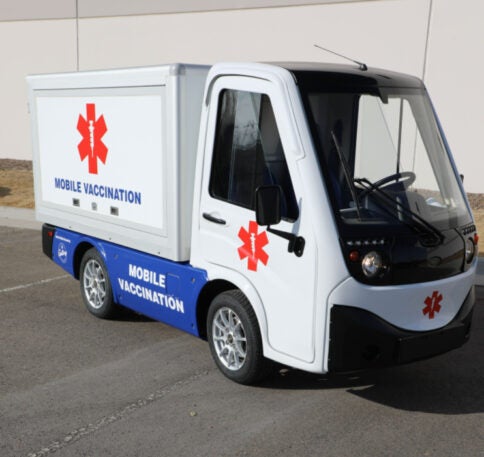
For groups organizing community health events or outreach travel, services such as fully equipped mobile vaccination units Boston, MA can be part of a broader transportation and logistics conversation. Regardless of the destination, the goal is the same: create a trip that respects people’s time, safety needs, and ability to move through the day with confidence.
1. Why Group Travel Planning Matters
A group trip has many moving parts. One late passenger, an unclear pickup location, insufficient luggage space, or an unrealistic itinerary can affect everyone. Planning reduces confusion by assigning responsibilities before departure instead of trying to solve every issue while people are already waiting.
For example, a school group may leave on time but still arrive late if the organizer only accounts for driving time. Boarding, attendance checks, restroom breaks, venue parking, and the walk from the drop-off area all take time. A practical plan anticipates those details and gives the group enough room to handle them calmly.
2. Start With the Trip’s Purpose
The purpose of the trip should guide nearly every decision. A corporate meeting may require a quiet ride, punctual arrival, and room for presentation materials. A family trip may need flexible meal stops and room for strollers. A student outing may require permission forms, chaperone assignments, and frequent head counts.
Planning Questions to Ask
- Why is the group traveling, and what does a successful trip look like?
- How many passengers are expected, including staff, chaperones, or caregivers?
- Which dates, times, stops, and arrival deadlines are fixed?
- Will passengers bring large bags, equipment, supplies, or mobility devices?
- Does anyone need seating, medical, dietary, or communication accommodations?
3. Choose Transportation That Fits the Group
Passenger count is important, but it is not the only factor when selecting transportation. Consider the distance, number of stops, amount of gear, road conditions, parking restrictions, and the physical needs of the people traveling. A vehicle that technically has enough seats may still be a poor choice if luggage crowds the aisle or if travelers cannot board comfortably.
Photorealistic editorial studio shot of a small diverse group of travelers gathered beside a clean modern passenger shuttle, with one organizer holding a clipboard and reviewing travel details; isolated subject, soft controlled lighting, neutral light-gray background, polished commercial feel, minimal composition.
Basic road-safety practices should be part of the conversation, especially when traveling with children or vulnerable passengers. The National Highway Traffic Safety Administration’s road safety guidance is a useful starting point for reviewing vehicle, passenger, and pickup-area safety considerations.
4. Build a Practical Travel Timeline
A useful itinerary includes much more than the estimated driving time. Work backward from the required arrival time, then add time for passenger check-in, boarding, traffic, breaks, meals, parking, security lines, and walking to the final venue. A schedule with a reasonable buffer is more dependable than one that leaves no room for normal delays.
Suggested Timeline Steps
- Set the time the group must arrive.
- Estimate travel time for the full route.
- Add boarding, attendance, and loading time.
- Schedule rest stops, meals, and required breaks.
- Include extra time for traffic, weather, and parking.
- Share the final itinerary before the travel day.
5. Create a Clear Safety Plan
Safety works best when it is an active part of planning, not a last-minute checklist. Designate who will manage passenger counts, carry documents, communicate with the driver, handle medical concerns, and make decisions if the schedule changes. For youth groups, clearly identify chaperones and the passengers assigned to each adult.
Include These Safety Details
- A current passenger list and emergency contacts.
- Meeting points for every major stop.
- Procedures for late arrivals, separated travelers, or lost phones.
- Medication timing, medical needs, and emergency information were handled appropriately.
- Weather and road-condition checks before departure.
- Clear expectations for seat belts, behavior, and staying with the group.
6. Keep Every Passenger Informed
Clear communication prevents many avoidable problems. Send travelers the same core details through one reliable channel, such as a group email, text list, or event app. Important updates can be missed when they are scattered across several chats or passed along informally.
Send a Pre-Trip Information Sheet With:
- The departure date, time, and exact pickup location.
- Expected arrival and return times.
- A contact number for the group leader or coordinator.
- Luggage, food, drink, and packing guidance.
- Instructions for late arrivals and schedule changes.
- Weather expectations and clothing recommendations.
7. Plan for Comfort and Accessibility
Comfort affects the entire group experience, particularly on longer trips. Ask about mobility, hearing, vision, seating, and other access needs early enough to act on the information. Plan regular breaks, avoid overly tight connections, and encourage travelers to bring water, chargers, medication, and a light layer for changing temperatures.
If the trip crosses borders or involves destination-specific health considerations, travelers can review current destination guidance through the CDC’s Travelers’ Health resource. Organizers should encourage passengers to address personal health questions with an appropriate clinician before travel.
8. Prepare for Delays and Changes
Even a carefully organized trip can be affected by traffic, weather, road closures, venue delays, or a passenger issue. Build a backup plan around alternate routes, flexible arrival windows, secondary meeting points, updated contact lists, and clear authority for changing the schedule. Travelers should know who will send updates and where to look for them.
9. Review the Trip Afterward
After the group returns, take five minutes to identify what worked and what should change. Ask whether pickup points were easy to find, the schedule was realistic, communication was clear, and passengers had enough comfort and break time. Small lessons from one trip can prevent larger problems on the next one.
Conclusion: Make the Plan Work for the People
Successful group travel is not only about reaching a destination. It is about giving people a clear plan, realistic timing, safe procedures, and support when circumstances change. When organizers prioritize communication, comfort, accessibility, and flexibility, the journey becomes smoother from the first meeting point to the final drop-off.