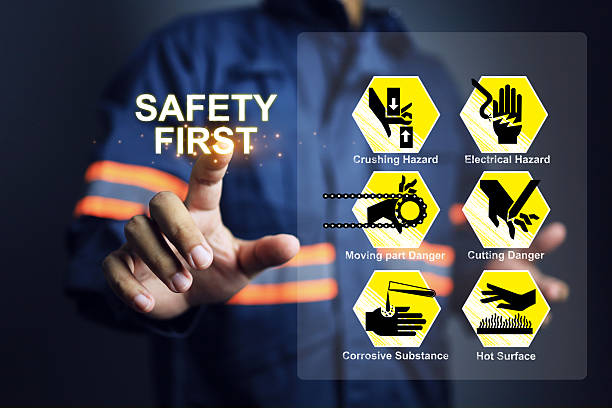
Remote and hybrid teams are now common across service sectors, which is why many organisations now seek WHS consulting, focused OHS consulting, and support from a workplace health and safety consultant to clarify home-office risk management.
Clarify duty of care for distributed teams
Employers still carry obligations where workers perform work from home, especially if hazards are foreseeable. Define minimum requirements for workstation safety, electrical safety, and reporting channels. Keep requirements practical and clearly communicated during onboarding.
Ergonomic setup that actually gets used
Instead of heavy documentation, use a simple setup assessment framework: chair support, desk height, monitor visibility, keyboard position, and lighting. Provide practical options for common home constraints and review photos only when workers consent.
Psychosocial and workload risk control
Remote work risk is not only physical. Isolation, overworking, and blurred boundaries increase stress. Introduce clear working-hour expectations, regular check-ins, and escalation channels for wellbeing concerns.
Incident reporting in hybrid environments
Create direct reporting for strains, eye fatigue, trips, and wellbeing concerns with quick triage from managers. Use anonymous trend reports to detect hot spots while respecting privacy.
Cyber and physical security overlap
Device security, electrical setup, and workspace access may become mixed risks. Ensure data handling rules also include physical device safety and lockable storage where possible, especially in shared household environments.
Ongoing support and review
Set review cycles that reflect actual risk frequency, not just annual refreshes. A short quarterly risk update is often enough for stable teams and keeps expectations practical.
Practical outcomes of home-office preparedness
Teams with clear remote safety standards report better focus, lower strain, and stronger incident awareness. A tailored WHS consulting model supports resilience across both office and field teams.