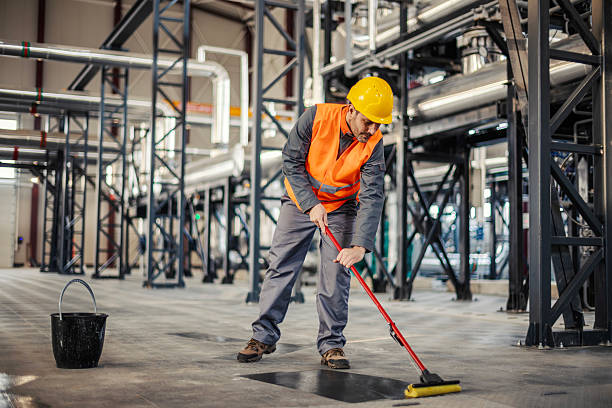
Most people think cleaning is cleaning. Like, you grab a mop, maybe spray something that smells like lemon, and boom — done. I used to think that too honestly, until I started looking into how factories and warehouses actually stay functional. The reality hits different when machines cost more than houses and dust isn’t just dust… it’s metal particles, chemicals, oil residue, or stuff you probably shouldn’t breathe for more than five seconds.
That’s where Industrial Cleaning Services come in, and yeah, they’re way more serious than the name sounds. Businesses don’t hire these teams because they want shiny floors for Instagram photos. They hire them because production literally depends on it. One clogged vent or greasy production line can slow output like bad Wi-Fi during a Zoom call — everything just freezes and everyone gets annoyed.
I remember reading a discussion on Reddit where a plant manager said their facility lost almost two days of production because fine dust built up inside equipment. Two days doesn’t sound huge until you realize that meant thousands of dollars gone… just because cleaning was delayed.
Why Industrial Spaces Get Dirty Faster Than You Think
Here’s something people don’t talk about enough: industrial dirt behaves differently. In offices, dirt mostly comes from shoes and coffee spills. In factories, dirt is basically part of the work process. Manufacturing creates residue nonstop. Heat pulls particles into vents, forklifts drag grime across floors, and oils spread slowly like gossip in a small office.
A weird stat I came across once (and honestly didn’t believe at first) said indoor industrial air can sometimes carry particle levels several times higher than outdoor city air if maintenance slips. Sounds dramatic, but makes sense when machines run 24/7.
And social media? Surprisingly full of workers posting videos of satisfying factory cleanups. Those viral pressure-washing clips aren’t just oddly relaxing — they show how intense buildup really gets. Layers of grease coming off look like melted chocolate, except nobody wants to touch it.
It’s Not Just About Looking Professional
A lot of business owners initially think cleaning is cosmetic. Like, customers might visit, inspectors might come, so keep things tidy. But honestly, appearance is probably the least important reason.
Safety is the big one. Dust plus heat equals fire risk. Oil plus smooth flooring equals slip accidents. And trust me, workplace accidents cost way more than hiring professionals regularly. It’s kinda like skipping car servicing to save money, then suddenly paying triple when the engine dies. Short-term savings, long-term headache.
There’s also compliance. Regulations around industrial hygiene aren’t optional, even if some companies pretend they are until inspection day panic kicks in. Proper sanitation reduces liability, equipment wear, and employee sick days. Workers notice clean environments too — morale actually improves. Sounds cheesy but people work better when they don’t feel like they’re standing inside a mechanic’s trash bin.
What Actually Happens During a Professional Clean
Before researching this, I imagined crews just showing up with bigger mops. Nope. Industrial cleaning feels closer to a technical operation than housekeeping.
Teams often assess airflow systems, machinery buildup, high-touch zones, drainage areas, and even ceiling structures. Yes, ceilings. Apparently overhead beams collect insane amounts of debris, and when vibrations hit, particles rain down slowly over time. Kind of gross when you think about it.
Specialized equipment plays a huge role. Industrial vacuums, degreasers strong enough to break down stubborn residue, and sometimes dry-ice blasting that removes buildup without damaging machinery. I saw a video of dry ice cleaning once and it looked like sci-fi maintenance.
Timing matters too. Many facilities schedule cleaning during shutdown windows or overnight shifts because production interruptions cost money. So these crews basically work when everyone else sleeps, which honestly deserves more credit.
The Cost Conversation Nobody Likes Having
Let’s talk money because that’s usually the elephant in the room. Businesses sometimes hesitate because industrial cleaning sounds expensive. And yeah, upfront it can feel that way.
But skipping it is like ignoring dental cleaning to save cash — eventually you’re paying for a root canal instead of prevention. Equipment lasts longer when maintained properly, energy efficiency improves when vents and systems aren’t clogged, and downtime decreases. Those savings sneak up quietly.
I’ve seen business owners online admit they underestimated how much dirt impacts machine efficiency. One guy compared it to running a laptop with twenty browser tabs open. Technically it works, but everything slows down and overheats.
What Businesses Often Expect vs Reality
Some companies expect instant transformation, like a makeover show reveal. Realistically, industrial cleaning is more about consistency than dramatic before-and-after moments. The goal is controlled cleanliness, not perfection.
Another misconception is that cleaning disrupts operations. Good providers actually plan around workflows. They coordinate with management, understand hazard zones, and adapt methods depending on the industry — manufacturing, logistics, food production, each one has different requirements.
Also, it’s not a one-time fix. Facilities that treat cleaning as a routine investment instead of emergency damage control usually see smoother operations long term. The difference becomes noticeable after a few months, not overnight.
Why Businesses Are Talking About It More Now
There’s definitely been more chatter online recently about workplace safety and employee conditions. People share behind-the-scenes videos of factories more than ever, and messy environments get called out fast. Reputation matters, even in industries customers rarely see directly.
Plus, after pandemic years, cleanliness standards shifted everywhere. Businesses realized hygiene isn’t just public-facing anymore; it’s operational strategy. A clean facility signals professionalism internally as much as externally.
By the time companies finally invest in Industrial Cleaning Services, many say the same thing — they wish they had started earlier. It’s one of those upgrades that feels invisible until problems disappear. Machines run smoother, employees complain less, inspections feel less stressful. Not flashy, but incredibly practical.
And honestly, that’s probably the best way to describe it. Industrial cleaning isn’t glamorous or exciting. Nobody brags about it at networking events. But behind almost every efficient factory or warehouse is a cleaning process quietly preventing chaos. Sometimes the most important business decisions are the ones nobody notices… until they stop happening.