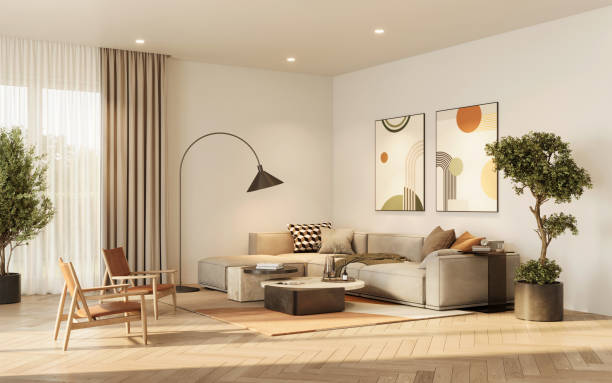
I didn’t really understand how much residential interior design matters until I visited a friend’s house last year and somehow ended up staying five hours without noticing time passing. Nothing there looked crazy expensive, but the place just felt… easy to be in. That’s honestly the best way I can describe it. Good spaces don’t shout for attention, they quietly pull you in. If you ever look into professional planning like this residential interior design, you start realizing how many small decisions actually shape how people experience a home without realizing why.
Why Some Homes Instantly Feel Comfortable
Ever walked into a house and immediately kicked your shoes off without being told? That’s design psychology doing its thing. People online argue about colors and trends all the time, but comfort usually comes from layout first. If furniture blocks movement or feels too formal, guests stay stiff. When seating faces each other naturally, conversations just happen.
I made the mistake once of buying a big stylish couch that looked amazing online but felt awkward in real life. Nobody knew where to sit. It’s like arranging chairs at a family wedding — if angles are weird, people stand instead of relaxing. Designers actually think about eye contact lines and walking paths, which sounds technical but really just means making things feel natural.
There’s also this interesting thing I read in a small interior forum where homeowners admitted guests remember seating comfort more than decor details. Kind of funny considering how much money people spend on decorations nobody notices.
Lighting Can Make or Break the Mood
Lighting honestly feels like cheating once you understand it. Same room, same furniture, completely different vibe just by changing bulbs. Bright white light makes everything look sharp but also a bit stressful. Warmer lighting softens edges and suddenly people start leaning back instead of checking their phones.
Restaurants use this trick all the time. Ever notice how cozy cafes never use harsh overhead lights? That’s intentional. At home, mixing a floor lamp, table light, and softer ceiling lighting creates layers that feel relaxed. I didn’t believe this until I swapped one light fixture and my living room somehow looked more expensive without spending much.
Social media keeps pushing aesthetic rooms, but honestly half of those looks come from lighting angles, not furniture quality.
Textures Do More Work Than Colors
People obsess over paint colors, but texture quietly carries the design. Smooth, rough, soft, matte — these things create depth even when colors stay neutral. A slightly wrinkled curtain or woven rug adds personality that perfectly matched items can’t.
Matching everything used to be popular, and now it kinda feels like showroom energy. Real homes look better when things don’t match perfectly. Think about outfits — when everything is identical, it looks forced. Same idea applies to interiors.
I once saw a small apartment using old wood furniture mixed with modern pieces and somehow it worked better than luxury setups. Imperfection makes spaces believable.
The Secret Flow Guests Don’t Notice
Good design gently guides people where to go. You don’t see it happening, but rugs, artwork placement, and furniture angles create invisible directions. Guests naturally move toward comfortable zones without instructions.
It reminds me of how supermarkets guide shoppers through aisles without signs. Homes do the same thing, just more subtly. Open pathways make rooms feel bigger even if square footage hasn’t changed.
Clutter interrupts that flow fast though. Not saying everything should be minimal — just intentional. When every object has a reason to exist, spaces feel calmer.
Personality Beats Trends Every Single Time
Honestly, trend chasing gets exhausting. One year everything is grey, next year suddenly everyone says grey is boring. Homes that actually impress people usually reflect the owner instead of Pinterest boards.
Guests notice personal items more than designer pieces. Travel souvenirs, handmade decor, even slightly imperfect DIY shelves often become conversation starters. People connect with stories. A perfectly styled room sometimes feels nice but forgettable.
Online discussions lately show more homeowners moving away from perfect homes toward lived-in comfort. Probably because real life isn’t aesthetic 24/7 anyway.
Comfort Is the New Luxury
Luxury today feels different than before. It’s less about showing off and more about how a space supports daily life. Deep sofas, soft fabrics, cozy corners — these things matter more than glossy finishes.
Financially, it makes sense too. Buying fewer but comfortable pieces saves money long term. It’s like investing in a good mattress instead of decorative pillows you replace every year.
Funny enough, the best compliment a home can get is when someone accidentally falls asleep on the couch. That means the space actually works.
Toward the end of planning a home, most people realize design isn’t about copying magazine ideas but understanding how they actually live day to day. Thoughtful planning through approaches like residential interior design helps avoid those expensive trial-and-error purchases that almost everyone regrets at some point.
At the end, guests rarely remember exact furniture or wall colors. They remember how relaxed they felt, how conversations flowed easily, and how the space made them want to stay a little longer. And honestly, that’s probably the real goal of a well-designed home — not perfection, just a place that feels right even with small flaws.