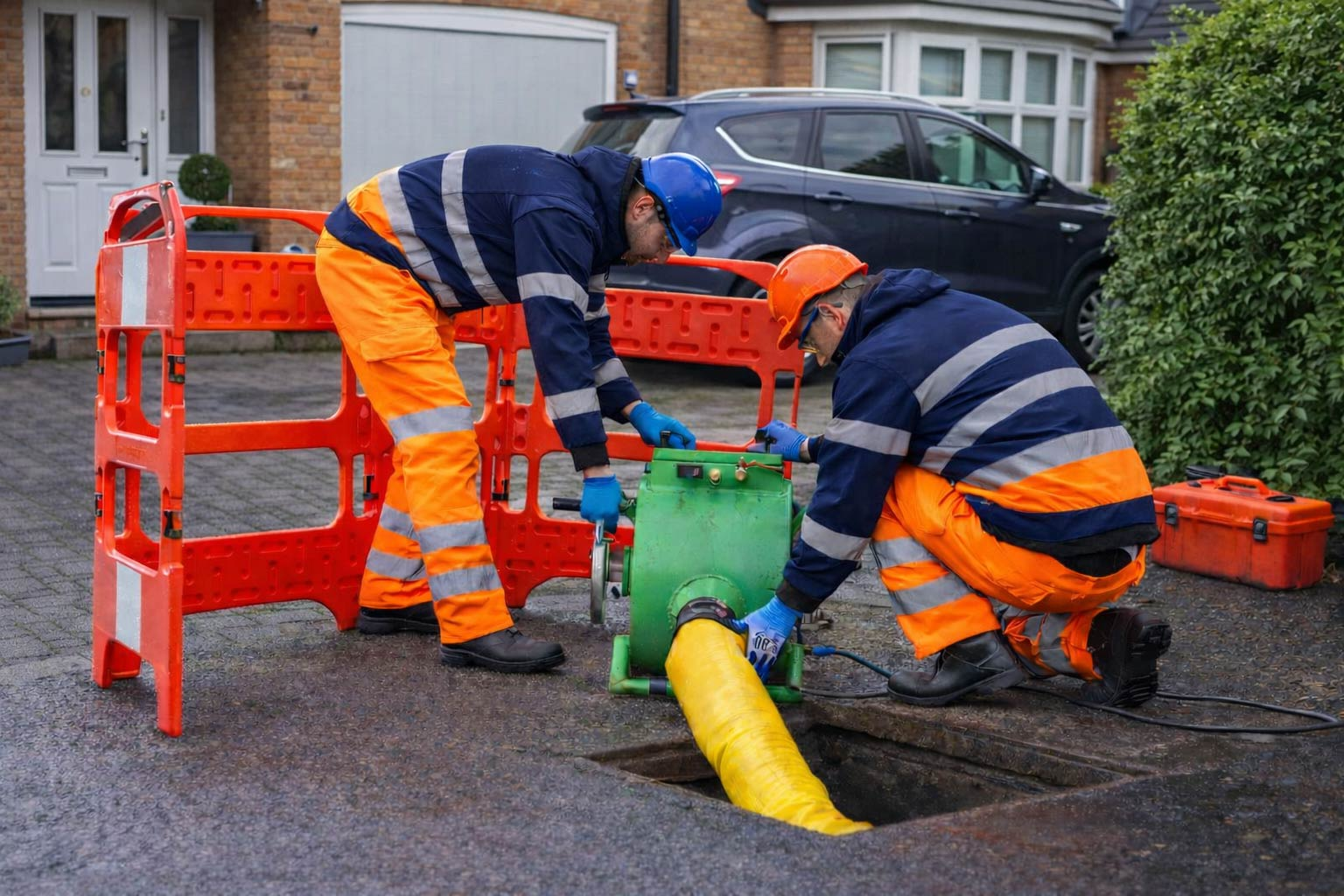
Aging and damaged drain pipes have traditionally meant one thing: excavation, pipe replacement, and significant disruption to property and daily life. Drain lining technology has fundamentally changed this picture, offering property owners a minimally invasive alternative that restores pipe function and structural integrity without the need to dig. Understanding how drain lining works and when it is the appropriate solution empowers property owners to make informed decisions that protect their infrastructure efficiently.
What Drain Lining Is and How the Process Works
Drain lining, also known as cured-in-place pipe (CIPP) lining, involves inserting a flexible liner saturated with resin into the existing pipe and then curing it in place to form a smooth, jointless new pipe within the old one. The result is a structurally sound pipe that resists root intrusion, corrosion, and leakage. The process requires access points at existing inspection chambers and uses camera equipment for pre- and post-installation surveys to confirm the condition and integrity of the completed lining.
The Warning Signs That Suggest Your Drains Need Lining
Several indicators suggest that a drain may be a candidate for lining rather than continued reactive repair. Recurring blockages in the same section of pipe, visible root intrusion during camera surveys, sections of pipe with cracked or fractured joints, and slow drainage that persists after clearing are all signs of structural deterioration rather than simple blockage. Professional drain lining specialists conduct a diagnostic camera survey as the first step in assessing whether the pipe’s condition is suitable for lining.
Comparing Lining with Traditional Pipe Replacement
The comparison between drain lining and conventional pipe replacement involves several dimensions beyond direct cost. Excavation-based replacement disrupts paving, landscaping, and potentially structural elements of a building — all of which must be reinstated after the pipe work is complete. Drain lining avoids this disruption almost entirely, completing in a fraction of the time with far less impact on occupants or the surrounding environment. Where blocked drain repair work reveals structural damage, lining often represents the faster and more cost-effective resolution.
The Long-Term Value of a Professionally Lined Pipe System
A correctly installed drain lining provides a service life measured in decades. The smooth interior surface of the cured liner reduces the accumulation of debris and grease deposits that contribute to future blockages, often making the relining a significant improvement over the original pipe’s performance even before the original pipe was damaged. For commercial properties with high-demand drain systems, the long-term reduction in maintenance call-outs and blockage incidents translates into meaningful operational savings over the lining’s service life.
When Lining Is the Right Choice and When It Is Not
Drain lining is not universally suitable for every damaged pipe situation. Pipes with collapsed sections, severe misalignment, or structural failure beyond a certain threshold may require conventional repair or replacement before lining can be considered. The camera survey that precedes any professional lining assessment establishes exactly which sections are candidates and which require a different approach. This diagnostic step is a non-negotiable part of any reputable drain lining service and ensures that the recommended solution is genuinely appropriate for the specific condition identified.
Conclusion
Drain lining has transformed the management of aging pipe infrastructure, making it possible to restore structural integrity and full flow capacity with minimal disruption. For property owners facing recurring drainage problems or ageing pipes showing signs of deterioration, a professional survey and lining assessment offers a practical, durable, and cost-effective path to resolution that avoids the significant disruption of traditional excavation-based replacement.