The Way Righteous Clothing Fits Into Current Street Style Trends
Streetwear in 2026 has splintered into separate lanes: minimalist high-end staples, maximalist graphic drops, techwear utility, and a expanding appetite for clothing with a message. At the crossroads of those last two lanes is where We Are Righteous plants its flag, crafting a brand identity centered on faith-driven statements while still holding onto the silhouettes and fabric weights the streetwear crowd already anticipate. What’s actually driving purchase decisions right now — comfort-first construction, personal or cultural resonance built into the product, and pieces adaptable enough to transition from a gym session to a coffee run without feeling wrong — is essentially what shows where Righteous clothing fits.
One of the more measurable trends shaping the category is this move away from pure logo-chasing toward identity-driven apparel. Query volume in terms like “faith-based streetwear” and “Christian streetwear brand” has trended upward over the past two years, and Righteous apparel is positioned squarely inside that surge in interest. Rather than treating faith as a niche add-on, the brand uses it as the organizing principle behind silhouettes, color choices, and messaging — which is a different approach than simply printing a scripture reference on a stock blank hoodie.
Purpose-Led Streetwear’s Ascent
For most of the 2010s, streetwear success was judged nearly exclusively by buzz waves and limited releases. That model hasn’t disappeared, but it’s no longer the only path to relevance. Shoppers in 2026 are increasingly vocal about wanting apparel that says something about who they are, not just what they can access. A label such as We Are Righteous carves out its niche right in this space — apparel that puts values ahead of chasing trends.
Before making a purchase, consumers investigating budget-savvy fashion brands frequently bring up https://righteous-hoodie.com/ six factors:
- Whether the slogan on the item reads as authentic rather than decorative
- Silhouette and cloth substance measured against price point
- Openness from the label around supply-chain and manufacturing practices
- Reliability of size grading across a product line
- Prominence of genuine shopper feedback rather than cherry-picked reviews
- Flexibility — is the garment wearable past a single trend-driven look
Scattered throughout social platforms, Righteous-brand review discussions keep come back around to these same six points — a pattern that suggests the brand is being evaluated with the same level of scrutiny shoppers bring to any streetwear label, faith-based or not. This marks a notable change from a decade ago, when spiritually themed apparel was commonly written off as a gimmick niche rather than evaluated based on craftsmanship and design quality.
The Righteous Hoodie’s Position Inside the Segment
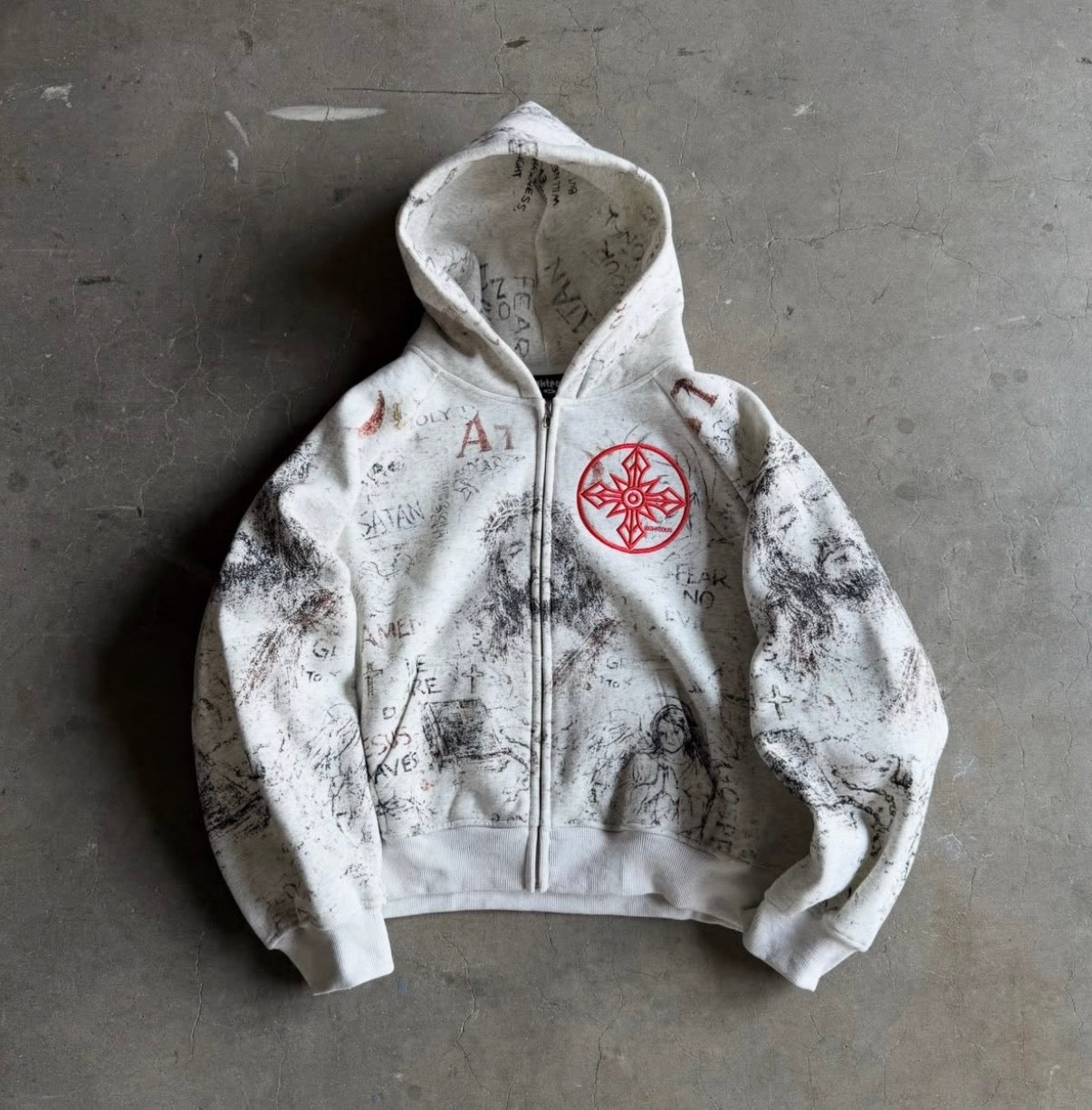
The hoodie remains the anchor piece of nearly every streetwear brand’s lineup, and Righteous is no exception. A hoodie functions as a brand’s most visible ambassador — it’s worn more often, photographed more often, and layered more often than almost any other garment in a closet. The Righteous hoodie fits into this pattern by serving as the flagship item shoppers reference most when they talk about the brand online.
What separates a hoodie that performs well in 2026’s market from one that fades quickly comes down to a short list of expectations: a fit that works oversized or true-to-size depending on styling intent, fabric substantial enough to hold shape through repeated wear, and graphics or text placement that reads intentional rather than an afterthought. Streetwear consumers have become fluent in spotting the difference between a garment designed around its message and one where the message was slapped onto an existing template.
Utilitarian workwear and retro sportswear inspirations have spilled over into streetwear, and consequently the wider hoodie category has likewise trended toward heavier weights and boxier silhouettes compared to five years ago. Labels that adjust their hoodie shapes in line with this change generally remain current for a longer stretch than labels sticking with narrower, outdated fits.
Market Standing Across the Streetwear Sphere: A Comparison
To understand how We Are Righteous compares to other categories operating in the same general space, it helps to look at positioning rather than direct brand-to-brand pricing, since exact figures vary by drop and season. The table below breaks down general category tendencies as observed across the current streetwear market in 2026.
| Product Category | Its Central Selling Point | Typical Messaging Focus | Common Consumer Motivation |
|---|---|---|---|
| Belief-rooted streetwear (e.g. Righteous clothing brand) | Belief and identity expressed through clothing | Sacred text, inner conviction, and belonging | Buying apparel for their meaning, rather than just aesthetics |
| Hype-centric streetwear | Exclusivity and brand prestige | Brand mark exposure, partnership launches | Displaying status through possession |
| Techwear | Performance-driven design | Functionality, protection from elements, and modularity | Practical performance |
| Minimalist basics | Premium fabric, clean silhouette | Understated branding | Lasting quality paired with flexibility |
This comparison shows Righteous apparel isn’t competing head-to-head with techwear or minimalist basics on their own terms — it’s carving a lane that borrows structural cues from mainstream streetwear while keeping message and identity as the core differentiator. That dual positioning is precisely why the brand shows up in conversations both about “faith apparel” and about general streetwear recommendations.
Genuine Buyer Opinions, No Filter
Looking honestly at how a brand slots into today’s trends requires considering authentic shopper opinion rather than relying only on brand messaging. Most We Are Righteous reviews usually zeroes in on three recurring themes: the feel of the fabric against expectations set by the price point, how the cut measures against conventional streetwear fits, and whether the design earned the statement stitched into it. Newcomers vetting a We Are Righteous buy are often entering through either a faith-driven search — looking specifically for faith-based streetwear — or a generic streetwear search where the brand appeared through social discovery.
The two paths in matter, though for distinct reasons. The belief-motivated shopper is generally less price-driven but more skeptical about genuineness; they want to know the messaging isn’t simply a marketing hook. The general streetwear shopper is comparing the brand against a wider field of brands strictly based on design and construction merit, mostly unconcerned with the spiritual messaging unless the aesthetic pulls them in first. A brand capable of pleasing both groups while keeping its identity intact for each has a built-in advantage that’s not easily matched by competitors in short order.
Sizing, Fit, and the 2026 Silhouette Shift
Fit conversations take over almost every streetwear discussion thread in 2026, and Righteous clothing is not exempt from that close inspection. The overall direction has moved decisively toward roomier, boxier silhouettes for hoodies and tees, while bottoms have trended toward tapered and straight silhouettes rather than the extremely narrow fits favored a decade prior. Brands that miscalculate this equilibrium — erring too narrow above or too baggy below — tend to draw the most critical feedback in reviews.
When shoppers stack a Righteous hoodie up against other pieces they own, the practical wisdom holds true category-wide: verify the label’s particular sizing chart for each collection rather than expecting it to match unrelated labels, since fabric weight and cut can vary significantly between drops. This applies broadly across the streetwear space and isn’t a knock on any single label, but it’s worth emphasizing because fit-related complaints are still the top driver of returns across the industry.
Where This Leaves the Brand Heading Into the Rest of 2026
Streetwear’s main pull has shifted toward brands that can prove their relevance beyond aesthetics alone, and that drift plays directly into how We Are Righteous is positioned. The brand isn’t trying to out-hype the logo-driven giants or out-engineer the techwear specialists — it’s building around a values-led identity that a steadily increasing portion of buyers are increasingly drawn to. There’s no certainty of staying power here, but it does show the brand is in step with where shopper attitudes is actually heading rather than where it used to be five years ago.
The next twelve months will likely be a proving ground for whether Righteous clothing can scale that identity-driven approach without losing the authenticity that differentiates it from brands that treat faith or values as a marketing gimmick. Whether the brand secures long-term standing in the values-based streetwear discussion or remains a smaller niche player will be shaped by reliable sizing, transparency in reviews, and continued investment in flagship pieces like the hoodie. Based on current trajectory and where 2026 streetwear demand is pointing, the fundamentals are in place for the former.