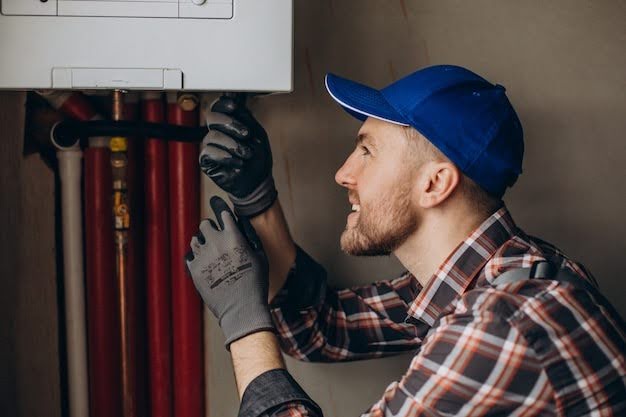
A heating system that fails on a cold night is stressful and often expensive to fix. The good news is that most breakdowns have common, predictable causes. Understanding them can help you prevent trouble and know when to call for heating repair before a small issue turns into a major one.
1. Dirty or Clogged Air Filters
Heating repair calls often trace back to a simple dirty filter. When dust and debris build up, airflow is restricted and the furnace has to work much harder to heat your home.
This can cause overheating, higher energy bills, and early wear on the blower motor. Check your filter monthly during heating season and replace it every one to three months. It is the easiest and cheapest way to avoid problems.
2. Thermostat Issues
A faulty thermostat can make a perfectly good system seem broken. Incorrect settings, dead batteries, loose wiring, or a poorly placed unit can cause uneven temperatures or prevent the heat from turning on at all.
Before you schedule heating repair, check that the thermostat is set to heat, the temperature is above the room reading, and the batteries are fresh. If the problem continues, the thermostat may need recalibration or replacement.
3. Pilot Light and Ignition Problems
Older furnaces rely on a pilot light, while newer ones use electronic ignition systems. A pilot light that keeps going out may be caused by a draft, a faulty thermocouple, or a dirty burner.
Modern ignition parts can wear out or become dirty. Heating repair is strongly recommended for these issues because they involve gas, and mistakes can be dangerous. If you smell gas, leave the house and call your gas company or emergency services immediately.
4. Lack of Regular Maintenance
Skipping annual tune-ups is one of the biggest causes of system failure. Without cleaning and inspection, dirt builds up, parts wear out, and small faults go unnoticed. Scheduling heating repair only after a breakdown usually costs more than preventive service.
A yearly checkup lets a technician clean components, test safety controls, and catch problems early, which can also extend the life of your equipment.
5. Blocked Vents and Leaky Ducts
Heating repair professionals often find that poor airflow is caused by blocked registers or leaky ductwork. Furniture, rugs, and curtains can cover vents and prevent warm air from circulating.
Gaps and cracks in ducts allow heated air to escape into attics or crawl spaces, wasting energy and leaving rooms cold. Keep vents clear and ask a technician to inspect and seal your ducts if some rooms never seem to warm up.
Final Thoughts
Most heating problems come from simple causes such as dirty filters, thermostat faults, ignition trouble, poor maintenance, blocked airflow, and aging parts. By watching for early warning signs and scheduling regular maintenance, you can avoid sudden breakdowns and costly bills. When something does go wrong, trust a licensed technician for safe and reliable heating repair, and your home will stay warm and comfortable all winter.