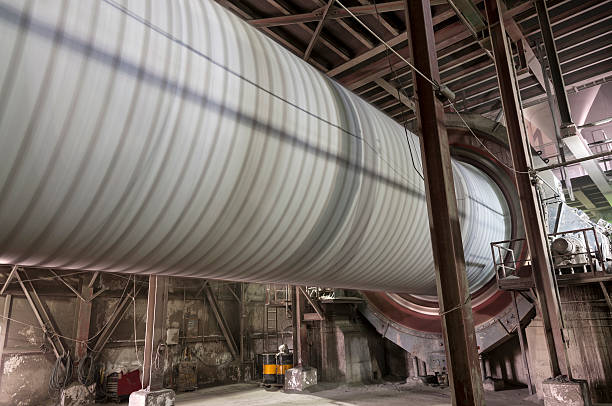
the quiet role of lamella based sealing elements in messy industrial reality
A lamella kiln seal is one of those things most people don’t even notice unless something goes wrong. like seriously, nobody walks into a plant and says “wow nice seals you got there.” but the moment it fails… chaos. heat loss, dust everywhere, efficiency gone. i’ve seen it happen once at a mid-sized cement unit and it was honestly like watching money just… leak out slowly. not dramatic, just painful.
when you look at something like , it doesn’t scream innovation or anything fancy. but that’s kind of the point. it’s built to quietly do its job in a place where temperatures are insane and conditions are, well, brutal. and that’s where lamella based sealing elements start making sense. they’re not trying to be flashy, just reliable in a way that most mechanical parts struggle to be.
i remember reading somewhere (probably a niche forum, not even a proper report) that poor kiln sealing can drop thermal efficiency by up to 10%. sounds small, but in industries burning fuel nonstop, that’s huge. like leaving your AC on with windows open all day kind of waste.
not all seals are built equal, and that’s where things get interesting
so here’s the thing. a lot of traditional seals wear out fast or just can’t adapt to slight misalignments. kilns aren’t perfectly stable machines, they expand, shift, and behave like they have a mind of their own sometimes. and rigid systems just don’t survive long in that kind of environment.
this is where actually feel like a smarter approach. instead of fighting movement, they kind of… go with it. layered design, flexible structure, it adjusts instead of resisting. kinda like wearing stretchable clothes instead of stiff jeans on a long trip, if that makes sense.
and yeah maybe that’s a weird analogy but honestly it works. flexibility equals comfort there, and here it equals durability and performance.
people on industrial reddit threads (yeah those exist and they get weirdly detailed) often talk about how switching to lamella style sealing reduced maintenance headaches more than expected. not zero problems, obviously nothing is perfect, but less frequent breakdowns and fewer emergency shutdowns. which is like gold in production environments.
why companies don’t talk about it enough, idk honestly
maybe it’s because it’s not a “big machine” upgrade. no one wants to brag about seals in a board meeting. everyone wants to talk about new kilns or automation systems or AI whatever. seals feel… boring. but boring is sometimes what saves money quietly.
another thing is, these upgrades don’t always show instant flashy results. it’s more like gradual improvement. less heat escaping, better internal stability, longer lifespan of nearby components. it adds up slowly. like compound interest but for engineering stuff.
and speaking of that, i once compared this to a friend who works in finance. i told him lamella kiln seal is like SIP investing. not exciting daily, but over time you realize it saved you a lot. he laughed, said it’s a stretch, but also kinda agreed.
oves, that dust issue drops noticeably.
i’ve seen videos (random youtube plant tours mostly) where older seals just let out visible plumes near kiln ends. it doesn’t look great, and definitely not safe long-term. better sealing systems, especially lamella-based ones, reduce that leakage quite a bit. not completely zero, but significantly lower.
it also makes the whole setup look more controlled, less chaotic. which, idk, psychologically feels better too. like things are under control.
durability is where it quietly wins
this part is kinda underrated. because replacing seals isn’t just about the cost of the part. it’s downtime, labor, planning, sometimes even production loss. so a seal that lasts longer isn’t just “slightly better,” it’s actually saving a lot behind the scenes.
tend to handle wear better because of how they distribute stress across layers instead of one rigid surface taking all the hit. again, not magic, but smarter design.
i think people expect high-tech solutions to be complicated, but this is more of a simple idea done right. and those are usually the ones that stick around.
so yeah, it’s small but not really small
funny thing is, if you ask someone outside the industry about kiln seals, they probably won’t even know what you’re talking about. and that’s fair. it’s niche. but inside the industry, especially among maintenance teams, stuff like lamella kiln seal gets more appreciation than you’d expect.
it’s like the backstage crew in a concert. no one claps for them, but if they mess up, the whole show collapses.
i’m not saying it’s revolutionary or anything dramatic like that. just… important in a very practical way. and honestly, sometimes that’s more valuable than flashy upgrades that look good in presentations but don’t survive real-world conditions.
If anything, the lamella kiln seal feels like one of those quiet improvements that people don’t notice immediately, but later go “yeah, that actually helped more than we thought.” and in industrial setups, that kind of reliability is kinda everything.