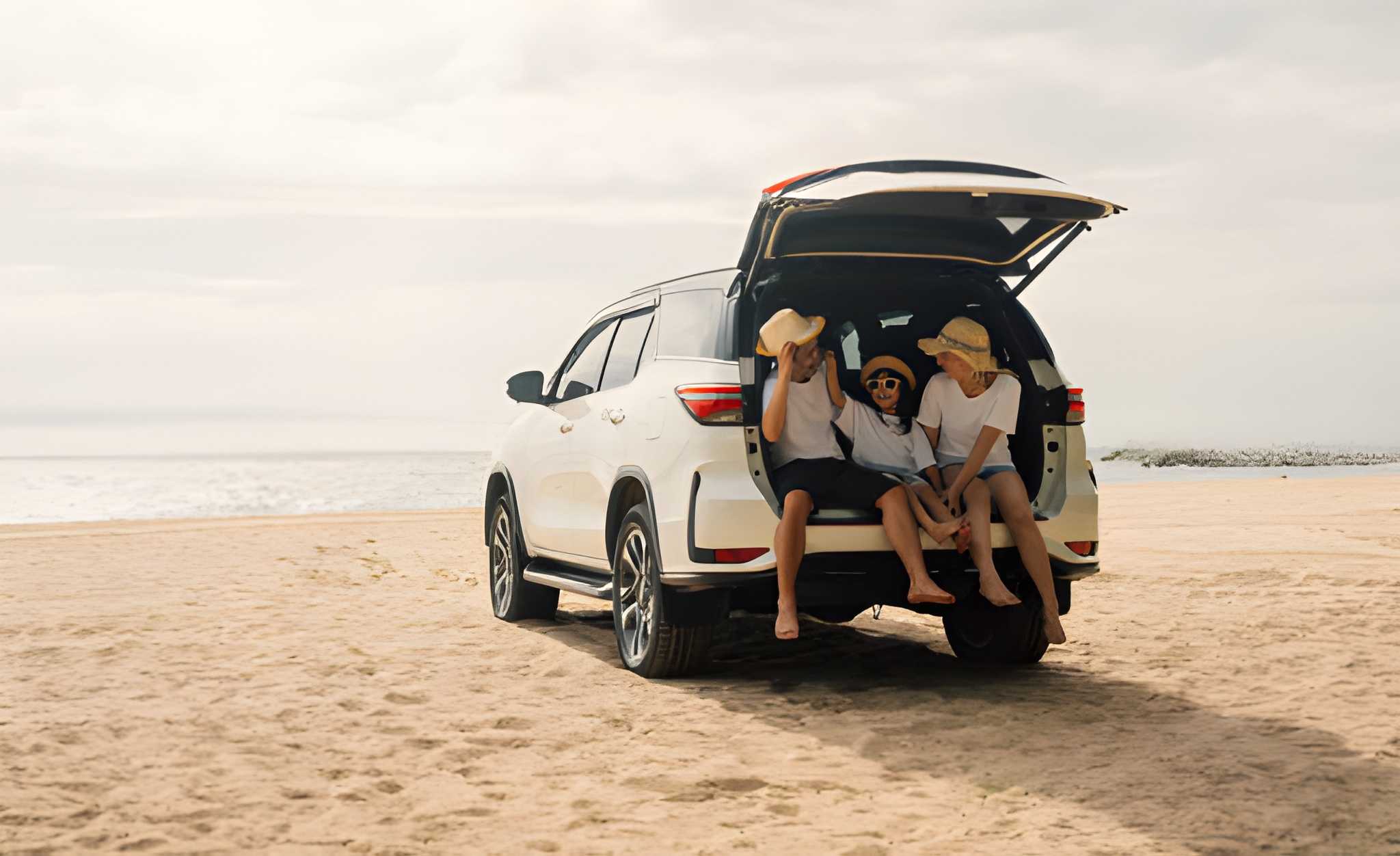
First thing first, when people talk about the Best SUVs for Families and Long Drives, they usually imagine a big shiny car parked outside a mall, kids eating fries inside, luggage stuffed somewhere magically. Real life is a little messier than that. I learned this during a 14-hour road trip where one kid wanted AC colder, the other wanted the window open, and my wallet quietly cried every time we stopped for fuel. Still, a good SUV can save your sanity. Or at least reduce the damage.
Why families quietly moved away from sedans
I used to think sedans were enough. Sleek, cheaper, easier to park. Then marriage happened. Then kids. Then road trips. Suddenly the boot felt smaller, speed breakers felt taller, and my knees hated getting in and out. SUVs just make daily chaos easier. Higher seating helps you see potholes before they attack. Bigger cabins mean less elbow fights. Also, nobody tells you this clearly, but families like feeling “safe”, even if half that safety is just psychological comfort.
There’s a reason Instagram reels are full of families flexing their SUVs with roof boxes and camping gear. It’s not just show-off culture. It’s convenience disguised as lifestyle.
Space matters more than engine numbers
Car ads love talking about horsepower like everyone’s racing on Sundays. Families don’t care. What actually matters is legroom, shoulder room, and whether three people can sit in the back without starting a small argument. On long drives, space becomes money. If passengers are comfortable, you stop less, argue less, and somehow reach faster.
A lesser-known thing is how seat cushioning affects fatigue. Firmer seats feel uncomfortable at first but save your back later. Softer seats feel nice in the showroom, then betray you after 300 km. This is something car reviewers mention once and then forget, but owners complain about forever on forums.
Mileage myths and real-world math
Let’s talk fuel, because every family eventually does. SUVs have a bad reputation for mileage, and honestly, some of it is deserved. But here’s the thing nobody explains properly. On highways, many modern SUVs give mileage close to sedans if driven calmly. The problem is traffic, sudden braking, and that one uncle who keeps flooring it.
A simple analogy I use is this: mileage is like your monthly budget. If you spend carefully, it stretches. If you panic-buy stuff, it disappears. Same engine, same road, different driver, totally different numbers. Reddit threads are full of people arguing over this like it’s religion.
Safety features that actually matter
Brochures throw terms like six airbags, ADAS, traction control. Some of it is genuinely useful, some is marketing sugar. For families, what really matters is stable braking, predictable steering, and how the car behaves when something unexpected happens. I once had a dog cross the highway at night. The car stayed composed, didn’t fishtail, and I still think about that moment whenever someone asks if safety features are worth it.
Fun fact most buyers don’t know: a heavier car with bad brakes is worse than a lighter car with good braking. Weight alone doesn’t equal safety, even though it feels that way.
Long drives test patience, not engines
Engines today are mostly reliable. What fails first is patience. Noise insulation becomes important when kids fall asleep and you don’t want engine growl ruining the moment. Cruise control sounds fancy until you use it once and wonder how you lived without it.
Online car communities often complain about small things like rattling sounds or bad infotainment systems. These feel minor during test drives but become huge on long trips. A glitchy screen when Google Maps freezes can make you question life choices.
Automatic vs manual, the silent family debate
Families are slowly choosing automatics, even the ones who swore they never would. Traffic changed people. Knees changed people. Manuals still feel fun, but automatics feel practical, especially when half your driving is crawling. Social media comments are filled with people defending manuals emotionally, but sales numbers quietly tell a different story.
Maintenance is the boring but real deal
Nobody likes talking about service costs until the first bill arrives. Some SUVs are affordable upfront but expensive to maintain. Others feel pricey initially but behave nicely later. Always check owner groups, not just reviews. Owners overshare. That’s where you find the truth, including random complaints typed at 2 AM.
A small mistake I made once was ignoring tyre replacement costs. Bigger tyres look cool, but replacing all four hurts more than expected.
Final thoughts after too many road trips
After years of family travel, snacks spilling, AC debates, and fuel stops, I’ve realized there’s no perfect car. There’s only a car that fits your chaos better than others. The Best SUVs for Families and Long Drives are not about luxury or flex. They’re about reaching places with less stress and fewer “are we there yet” moments.
If you’re choosing your next car, think beyond features. Think about your routine, your roads, your passengers, and how long you plan to keep it. That’s how you end up happy with a family SUV in India, not just impressed on delivery day.